
Retirement Living takes an unbiased approach to our reviews. We may earn money when you click a partner link. Learn More
How Much Does a Walk-In Tub Cost?
The average combined cost of walk-in tub equipment and installation in 2026 is just over $15,000.


Updated:
AT A GLANCE:
- The average cost of walk-in tub equipment is around $13,000, ranging from about $2,300 for a basic soaker to $25,000 for a two-person, spa-like experience.
- The average cost to install a walk-in tub ranges from $2,500 to $8,000, and premium features such as hydrotherapy jets can add $1,500 to $5,000.
- Kohler is one of the more expensive walk-in tub brands, with average costs ranging from $8,500 to $25,000. Universal Tubs is one of the most affordable brands, with prices starting at $2,000.
Walk-in tubs are an investment for seniors, costing anywhere between $2,300 and $20,000+ in 2026. However, when traditional bathtubs are particularly dangerous for older Americans, who lead the nation in fall-related deaths and injuries, the investment is well worth it.
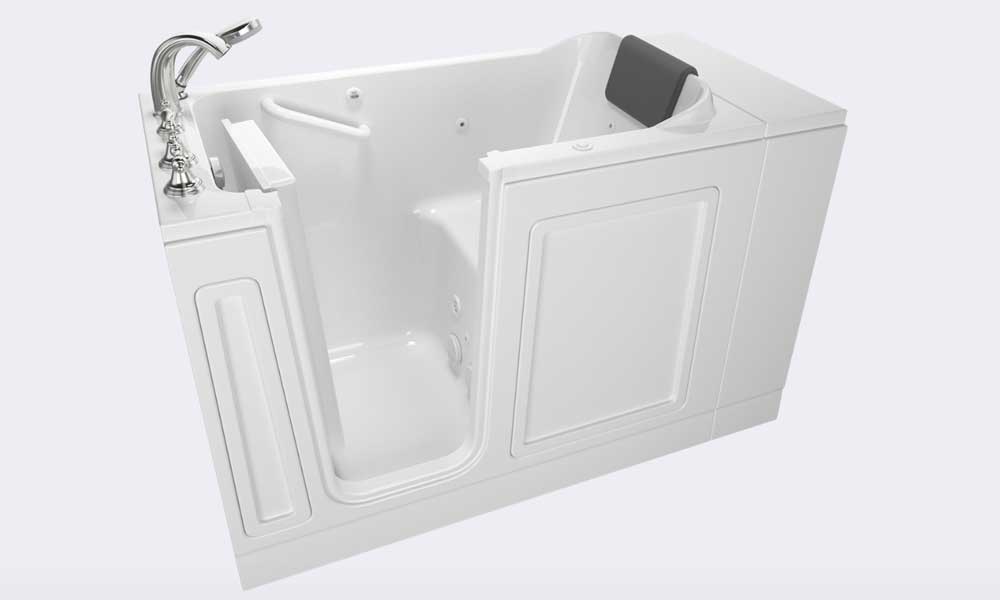
Installing a walk-in tub is a game-changer for people with weakened muscle strength, mobility, or balance. These tubs have a swinging door that lets you step in without climbing over a steep edge. When the door closes, it seals to retain the bath water and remains closed until the water fully drains. Walk-in tub doors open outward into the bathroom but can be designed to open inward, accommodating a wheelchair or saving space in a smaller room.
Safety features like these prevent water spills and slip hazards while also providing therapeutic relief for individuals with physical impairments or those who are overweight and may benefit from hydrotherapy or regular soaking sessions. The only downside? Installing a walk-in tub can be expensive.
Let’s review the average costs so you can weigh the pros and cons of a new installation.
A Breakdown of The Cost of Walk-In Tubs for Seniors
Walk-in tub equipment costs range from about $2,300 for a basic soaking tub to $25,000 for a two-person or bariatric tub. Tubs with heated surfaces, chromotherapy and custom jet packages will also sit at the upper end of the range.
When no major plumbing changes, water heater fixes or home improvements are required, most seniors will pay around $15,000 to purchase and install an ADA-approved walk-in tub.
However, costs still vary widely based on tub size, the number of jets, the seat type, and the therapeutic and design options you choose. Larger tubs cost more and can increase your utility bills to run and heat the water.
- Standard walk-in tub: $2,500 to $5,000
- Air bath or hydrotherapy jetted tub: $5,000 to $10,000
- Bariatric bathtub: $7,000 to $10,000
- Combination bath (air and hydrotherapy) tub: $7,000 to $15,000
Please note that for tubs with therapeutic features, needed changes to plumbing and electrical circuits can ultimately increase the overall price tag by several thousand dollars. Some companies offer financial assistance, which can help you get all the walk-in tub features you need without paying for it all upfront.
Tub-Only Price vs. Installed Cost: What’s the Difference?
Confused about what your new bathroom modification quote means? When buying a walk-in tub, it’s important to know whether the installation cost is included.
- Tub-only price refers to the cost of the equipment: the bathtub, built-in seating, outward-swinging doors, grab bars, massage jets and other features. This is usually the price listed on manufacturer websites, often ranging between $2,000 and $20,000.
- Installed cost is the total price tag for labor and any additional work that’s needed to retrofit the old alcove. For instance, it can include removing your old tub, adjusting plumbing, reinforcing flooring or upgrading electrical outlets. What you can expect to pay will range from a few thousand to nearly $10,000 or more, depending on the tub type and your home’s age/layout.
When you combine these costs, you get the total installed price, or the total project cost. Two brands with similar tub-only prices can have very different total installed prices, so it’s worth asking every company for a clear, itemized breakdown before comparing quotes.
Cost of Walk-In Tub Materials
Below is a breakdown of common walk-in bathtub materials, their key benefits, and the typical cost ranges to help you choose the best option for your needs.
| Material | Benefits | Average Cost |
|---|---|---|
| Fiberglass (FRP) | – Very affordable – Lightweight and easy to install – Many shapes and sizes available | $200 – $800 |
| Gelcoat Fiberglass | – Smooth, glossy finish – More durable than standard fiberglass – Easy to clean – Many color options | $1,000 – $3,000 |
| Acrylic | – Lightweight and easy to install – Excellent heat retention – Chip and crack resistance – Many shapes and sizes available | $500 – $2,000 |
| Enameled Steel | – Relatively affordable – Highly durable and chemical resistant – Smooth, glossy finish | $300 – $1,500 |
| Cast Iron | – Extremely durable and long-lasting – Excellent heat retention | $500 – $2,500+ |
Walk-In Tub Prices By Brand
Compare popular walk-in tub brands, their standout features, and price ranges to find the model that best fits your needs and budget.
| Brand | Top Features | Price |
|---|---|---|
| Kohler | – Soaker tub with grab bars – Hydrotherapy and air jets – Fast-drain technology | $8,500 – $25,000 |
| American Standard | – Lifetime warranty on bath and installation – Quick drain – Self-cleaning system | $4,000 – $11,000 |
| Safe Step | – Hydrotherapy – Aromatherapy – Chemotherapy for arthritis | $5,000 – $20,000 |
| Boca | – Lowest step (two inches) – Heated seats – Auto-dry features | Starting at $7,000 |
| Ella’s Bubbles | – Two-seater tubs – Petite and tall sizes | $4,000 – $10,000 |
| Universal Tubs | – Wheelchair-accessible – Stream jets | $2,000 – $8,000 |
*Prices based on no additional home modifications. Your home’s age may also affect these prices.
How to Shop for and Buy a Walk-In Tub
How you shop for your new walk-in tub affects more than the price tag, as different manufacturers offer unique features, installation coverage and warranty terms. Here’s how to work through the decision step by step.
1. Decide Which Type of Seller Fits Your Needs
Walk-in tubs are typically sold through three main channels, each with trade-offs:
- Manufacturer direct, including tubs bought directly from brands like Kohler or American Standard. These tubs usually come with professional installation, a dedicated warranty and manufacturer-backed customer service. Expect a simplified process that costs more upfront.
- Big-box retailers like Home Depot and Lowe’s can sell you the tub equipment at a competitive price, but installation usually isn’t included and must be done by a local contractor. You can likely choose whether to invest in a warranty.
- Online retailers are usually the most affordable option for the tub-only price, but you’ll need to source installation independently and verify warranty coverage before purchasing.
2. Check Customer Service Reputation
Before you get actual quotes from companies, consider their public reputation. Four- to five-star reviews that mention not only quality models but also successful service calls, repairs and troubleshooting after installation are all a good sign.
3. Compare Warranty Coverage Across Sellers
Every seller offers different warranty terms, or no warranty at all in some instances. If warranties are available, look to see what they cover and for how long. For instance, some manufacturers only offer lifetime warranties on parts (the shell, door seal and mechanical components), while others limit coverage to a set number of years.
4. Ask About Financing and Assistance Options
If cost is a concern, ask each seller about financing plans or whether they can help with paperwork for Medicaid, Medicare Advantage, Department of Veterans Affairs (VA) or state assistance programs. This can vary by seller, so it’s worth comparing the level of assistance offered.
5. Set Up Professional Installation
Does the tub price include professional installation, or will you need to hire a general contractor? It’s vital to know how the model will be installed before you purchase it. If the manufacturer doesn’t cover it, we recommend contacting at least two local contractors for quotes. Technician hourly rates vary widely by location: $45 to $230 per hour.
6. Get Quotes From At Least Two or Three Sources
It’s hard to know whether a quote is fair without researching other local options, so we recommend getting at least two quotes from different companies before you decide. Make sure each quote clearly states whether installation is included in the total cost estimate.
What Are Typical Walk-In Tub Installation Costs?
The average national cost to install a walk-in tub ranges from $2,500 to $8,000. While installing a walk-in bathtub isn’t generally complex, removing the old tub and tub surround adds to the total cost. The cost of a bathroom remodel like this largely depends on the company you choose.
Safe Step tub prices, for example, include installation costs, whereas tubs from Home Depot typically do not. Most brands include installation fees with your purchase, but we still recommend budgeting for at least six to eight hours of labor.
Installation costs will increase if you buy a walk-in tub with more features beyond what’s included in a standard model. For example, installation might require additional plumbing, tile, and electrical work if you choose a deeper tub with higher water capacity or heated seats. If the tub has hydrotherapy or air jets, installation costs can increase substantially—around $1,500 to $5,000.
A tub can hold 50 gallons or more, so you may need to upgrade your water heater or plumbing to match. Talk with the brand and installation team to determine whether these updates are included in your walk-in tub and installation estimate. Consider how a new walk-in tub could affect your monthly bills.
Retrofits vs. Remodels
Beyond extra features, installation cost also depends on whether the tub fits the existing alcove or requires full structural modification.
Basic installation (retrofit): $1,000–2,500
Because most standard American bathroom alcoves have similar measurements, retrofitting the new tub into an existing space is the most economical option. During installation, technicians use the same footprint, floor joists and utility connections that were already present. The less modification that’s required, especially around the plumbing layout, the cheaper the project will be.
Advanced installation (remodel): $3,000–5,000+
Some bariatric and two-person tubs won’t fit the original alcove and require structural changes. These changes can include reinforcing the floor, rerouting plumbing, upgrading electrical for adjustable jets or altering the room’s entire layout. The bigger the changes, the more the project will ultimately cost.
Getting Accurate In-Home Quotes and Cost Estimates
As mentioned above, installer hourly rates range from $45 to $230, so to get a better picture of what you’ll actually spend, you need an accurate quote. Here’s what to do:
- Schedule a free in-home consultation. To create an accurate quote, the technician will first need to come to your home to measure the bathroom and inspect your plumbing and electrical setup. This will immediately tell them whether the tub can be retrofitted or requires renovation.
- Confirm whether utility upgrades are needed. Installation costs increase when you buy a walk-in tub with features your current plumbing or electricity doesn’t support. For jetted tubs specifically, plumbing upgrades and dedicated GFCI electrical circuits can each add $700 to $3,700 to the base price.
- Request an itemized quote, not a single number. An itemized quote will list all the costs clearly in writing: old tub removal, equipment price, structural changes, plumbing or electrical work and labor. Having each cost listed as its own line item not only helps you confirm what’s included in the installation (sometimes old tub removal is billed as an add-on) but also makes it easier to compare multiple offers.
- Ask about permits. In most municipalities, any changes done to your house’s plumbing or electrical systems require a permit. A reputable installer can help guide you through this process.
Note on regional labor and material cost variation. Hourly rates for electricians, plumbers and carpenters vary a lot by region. For instance, near major cities like NYC, LA or Boston, you can expect labor costs to be well above the national average. Similarly, if you’re living in Hawaii or Alaska, higher shipping costs can add significantly to the overall price tag.
Walk-In Tub Maintenance and Warranties Cost
Walk-in tub maintenance costs are typically low, although higher-end models with mechanical elements, such as whirlpool jets or heated backrests, may require more frequent upkeep. You can clean jetted tubs every few months with a specialty cleaner and have a plumber or electrician inspect the motors every few years.
Reputable manufacturers, such as the brands mentioned above, offer long-term warranties and comprehensive customer service plans. When comparing your options, look for lifetime guarantees and other valuable service protections that keep your tub functional for years to come.
Ongoing Ownership Costs: Utilities and Minor Maintenance
Ongoing costs for walk-in tubs are modest compared to the initial purchase price, but you should factor them into your budget. You can usually expect to pay between $100 and $500 per year for maintenance, but tubs with hydrotherapy jets may cost more or require more regular servicing.
- Water usage and energy bills. Holding anywhere from 50 to 80 gallons per bath, most walk-in tubs hold much more water than traditional tubs. In some cases, this can raise your utility bills (water, heating or electricity), particularly if you use hydrotherapy features that keep the water circulating and heated for longer periods.
- Cleaning and removing buildup. Day-to-day upkeep is generally inexpensive. While you may want to hire a professional technician every few months to a year to inspect and clean jets and motors, most maintenance involves scrubbing the tub clean with specialty cleaner when it gets dirty.
Walk-In Tub Cost Factors
From basic to luxury, there are many factors to consider that will impact the total cost of a walk-in tub:
- Easy-to-reach controls and anti-slip surfaces: Walk-in tubs usually come with a handheld shower wand and handrails for easy sit-down bathing.
- Low step-in threshold: The standard threshold is four to seven inches high, but some manufacturers offer even lower entries to reduce trip hazards.
- Safety-tested features: Tubs with CSL/UL approvals meet safety and sustainability standards. Health associations that have reviewed the product, like the Arthritis Foundation, may help you decide on one brand over another.
- Fast draining: Fast fill and draining abilities eliminate the waiting process. Tubs furnished with fast drains can empty in about two to three minutes. Remember, walk-in tubs can hold 50 to 80 gallons of water.
- A backrest: True comfort while soaking often requires a backrest to ease sore muscles and joints, especially if it’s heated.
- Air and hydrotherapy: An air bath relieves those with diabetes or circulation issues by pushing millions of tiny air bubbles through small air jets. A hydrotherapy or whirlpool bath provides deep tissue massage and can soothe muscle aches. A bariatric bath suits individuals who are larger or have mobility issues. Combination tubs feature both air and water jets, allowing you to switch easily between the two settings.
Important consideration: When shopping for a tub, prioritize function and safety, then health-related features. Consider your future needs as well. Door widths and mobility aides can greatly impact what door width you need and whether any door options will fit your devices. If you can’t functionally use a walk-in tub now and in the future, paying for one will be pointless.
Inexpensive Bath Safety Alternatives and Their Costs
Not sold on the cost of a brand new walk-in tub? There are lower-cost alternatives that improve bathroom safety:
- Tub conversion kit ($500–1,500): Otherwise known as tub cutouts, these kits modify your existing tub to create a low, wide entry point on the side. This decreases the likelihood of falls as you enter and exit the tub.
- Bath lift ($150–500): Battery-operated or hydraulic seats that help lower and raise you out of the tub.
- Transfer bench ($50–150): A bench that straddles the edge of the tub so you can sit comfortably as you enter and exit, rather than stepping over the threshold.
- Bath chair ($30–100): A simple chair that rests inside the tub so you can sit while you bathe, helping to prevent falls or overexertion.
- Grab bars ($20–60 per bar): Attach to various parts of the tub so you have something to grip and keep you steady while standing, sitting or stepping out of the tub.
- Non-slip flooring ($20–100): Non-slip mats, strips and textured flooring treatments can reduce fall risk while bathing.
How Much Does a Walk-In Shower Cost?
Walk-in showers cost between $4,000 and $9,000 on average, making them more expensive than standard tubs but more affordable than options with additional features.
The walk-in shower design appeals to many seniors because it creates a seamless bathing experience where you can step in and out without fear of tripping. Many also include additional features, such as grab bars and shower seats.
Walk-in tubs with a shower cost around $10,500 on average. The size, materials, and features you choose will all impact the total cost.
From Our Expert
“As an accessibility consultant, I’ve found that almost every installation requires extensive upgrades to accommodate the tub—especially in homes that are more than 20 years old. This can vary from water heater and piping upgrades to enlarging the bathroom. Clients should expect to pay more than the initial price and source several estimates from installers. Consult with trusted family and healthcare professionals before deciding. Sometimes, a walk-in shower is a smarter choice and less expensive than a tub.”

Dawn Heiderscheidt,
OTR/L, ECHM, CAPS
Accessibility Consultant
Paying for a Walk-In Tub
Medicare does not cover the costs of a walk-in bath, but Medicaid or Veterans Affairs might cover a portion of the walk-in tub if you have adequate documentation from a doctor. This may include a prescription, letter of medical necessity, and/or evaluation from a rehab professional. Medicaid coverage varies from state to state, so research your state’s policies, or contact your Medicaid provider or support coordinator to determine the financial assistance available to you.
The U.S. Department of Agriculture’s Rural Development Program provides grants and loans to low-income, rural homeowners to make home modifications such as remodeling a bathroom to allow for a walk-in tub. This program also oversees the Single Family Housing Repair Loans & Grants program, which offers loans at a 1% interest rate to help low-income seniors improve their homes for safety.
Some states may have additional funds or low-to-no-interest loans for those who demonstrate a medical need. For example, the Pennsylvania Assistive Technology Fund can cover medically necessary things with a 0% interest loan up to $7,000.
Are Walk-In Tubs Tax-Deductible?
The IRS allows you to deduct certain medical expenses from your taxes, including a walk-in tub. But again, you’ll need a prescription from your healthcare provider stating it’s necessary for health reasons. With this letter, you can deduct part of the tub expense for the year the doctor advised you to install it. Always check with a tax professional before claiming these benefits.
If your walk-in tub is not tax-deductible or covered by insurance, talk to the tub dealer or manufacturer about financing options. Most companies offer coupons and low-interest payment plans for qualified customers.
Walk-In Tub vs. Assisted Living / In-Home Care
If you’re debating between a walk-in tub and assisted living, it helps to see the numbers side by side. Keep in mind that walk-in tubs are primarily a one-time investment, while most care alternatives are recurring costs that add up year after year.
- Walk-in tubs: Have an average combined equipment and installation cost of around $15,000, with some luxury models costing more than $20,000.
- Home health aide: Nationally, the median hourly rate for in-home care is around $34. At 44 hours per week, that works out to over $75,000 annually. Full-time or live-in care costs even more.
- Assisted living facility: According to AHCA/NCAL, the median cost of these facilities is $6,200 per month, or roughly $74,000 per year.
- Nursing home (private room): This is the most expensive option, with a national median annual cost of around $130,000 for round-the-clock skilled care.
Framed in this context, the cost of a walk-in tub is a fraction of what you’d pay for a single year of a home health aide, assisted living or nursing home care. Remember these figures are national medians, so it’s worth getting a personalized cost estimate for your area before making any major decisions.
Frequently Asked Questions (FAQs) About Walk-In Tub Costs
Walk-in tub prices vary by features and brand. Basic models typically start around $2,500, while premium options can cost up to $20,000 or more.
The average national cost to install a walk-in tub ranges from $2,500 to $8,000. The final cost depends on several factors, including high-end features, tub type, tub size, and more.
Walk-in showers generally range from $4,000 to $9,000, making them more affordable than basic tubs but more expensive than premium options. This option can be especially accessible for those with mobility issues.
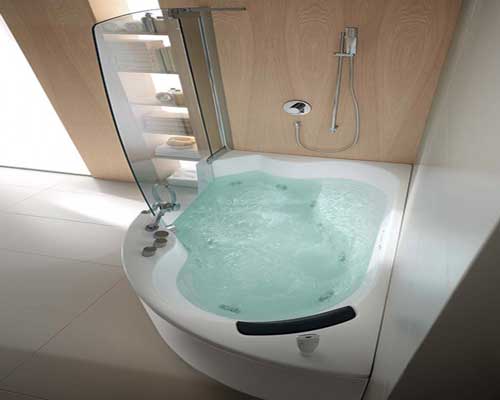
Yes. Many manufacturers offer tub-shower combo units for those who want easy access to both features. These models often include hand-held shower faucets, grab bars, and built-in seating.
Yes, walk-in tubs can raise your home value. However, they may not have the same appeal or be a priority for young buyers.
Explore the features that will help you most, whether you have mobility issues or health concerns. Common and popular walk-in tub features include:
• Anti-slip surfaces
• Fast-draining systems
• Heated seats
• Hydrotherapy
• Air jets
Yes, walk-in tubs are the perfect solution for people with mobility issues, providing a safe and comfortable bathing experience. Low steps, grab bars, and other safety features keep you grounded while you bathe.
Help us improve our cost data! Email your latest walk-in tub quote to [email protected]. Rest assured, your personal details will remain completely confidential.